Feast or Famine Revenue? How a Referral Marketing System Turns Happy Clients into Brand Ambassadors
How to turn word of mouth into steady, measurable revenue

Most business owners know the pattern. One month the phone rings, the calendar fills and the team can barely keep up. The next month goes quiet, and everyone wonders where the customers went. That swing between feast and famine makes it hard to hire, plan or invest with confidence.
The usual answer is to spend more on ads or push harder on outreach. Both can work, but both stop producing the moment the money or the effort stops. Meanwhile the most trusted source of new business, the customers who already love what you do, is left almost entirely to chance.
A referral marketing system changes that. It takes the word of mouth a business already earns and turns it into a steady, measurable channel. This article covers why revenue swings happen, why referred customers are worth more, which companies do this well, and how Infinite Referral System runs the whole process for you.
Why Customer Acquisition Feels Unpredictable
Uneven revenue is rarely a sales problem. It is a channel problem. Most businesses depend on one or two sources of new customers, and each one has a weakness.
• Paid advertising rents attention. Leads arrive while the budget runs and disappear when it stops. Costs also rise as more competitors bid for the same clicks.
• Outbound sales depends on effort. When the team gets busy serving customers, prospecting slows down, and the pipeline dries up a few weeks later.
• Seasonal demand creates peaks and valleys. Many service businesses earn most of their revenue in a few strong months.
• Word of mouth is unmanaged. Nearly every owner says referrals bring the best customers. Very few ask for them, track them or reward them.
That last point matters most. When an owner says "we already get referrals," it usually means a happy customer mentions the business now and then. There is no ask, no simple way to share, no record of who sent whom and no thank you. Referrals happen by accident, so they cannot be counted on.
Why Referred Customers Are Worth More
Referred customers do not just cost less to win. They tend to be better customers. The strongest evidence comes from a study by researchers at the Wharton School and Goethe University Frankfurt, published in the Journal of Marketing in 2011. The team followed about 10,000 customers of a German bank for nearly three years. Customers who came in through the bank's referral program were worth at least 16% more over time than similar customers who arrived other ways, and they were about 18% less likely to leave.
The reasons are easy to understand. A friend's recommendation carries trust that no ad can buy. People tend to refer others who are a good fit, so the new customer arrives with the right expectations. And a customer who came through a friend has a personal reason to stay.
For a business fighting feast or famine, retention is the quiet hero. Every customer who stays longer and buys again raises the floor under monthly revenue. Slow months get less slow, because more of each month's income comes from people who were already going to return.
What Is a Referral Marketing System?
A referral marketing system is a repeatable process that asks happy customers to recommend a business, gives them an easy way to do it, tracks every referral and rewards the customer once a referred friend buys. The word "system" is the point. It replaces hoping with a process that runs every week.
A working system has five parts:
• An ask. Customers are invited to refer at the right moment, such as after a great visit or a completed project.
• An easy way to share. Each customer gets a personal link or code that takes seconds to pass along.
• An offer for the friend. A welcome discount or bonus gives the new person a reason to act now.
• A reward for the customer. The thank you is paid when the friend's purchase is confirmed, so the business only rewards real results.
• Tracking and reporting. The owner can see how many customers came from referrals, what they spent and what each one cost.
Notice what this does to priorities. Marketing usually starts with strangers. A referral marketing system starts with the people who already know and like the business, and it treats turning them into brand ambassadors as a core job instead of a happy accident.
Found by AI, Chosen by Referral
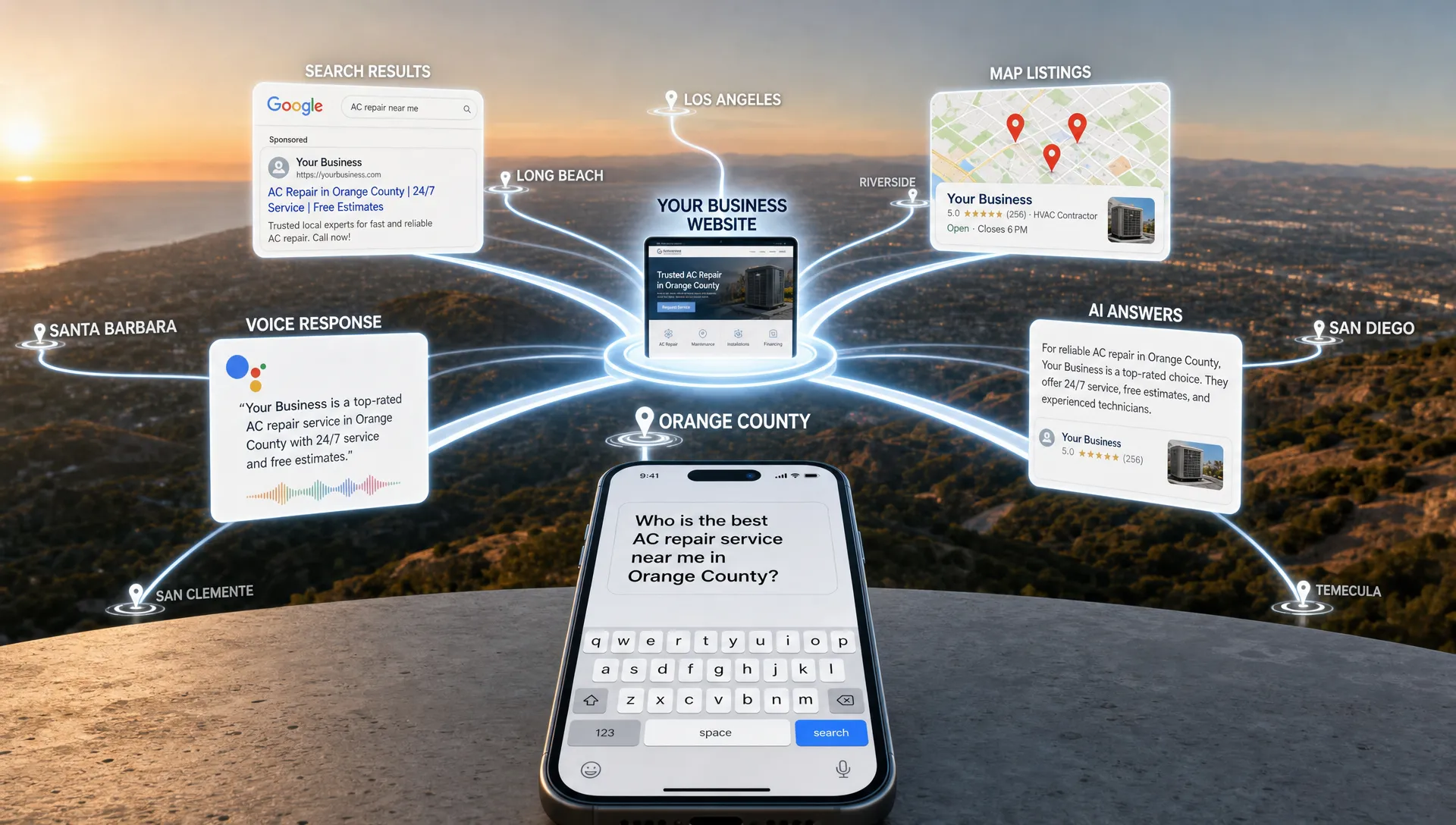
Buyers now ask two kinds of advisors before they choose a business. They ask AI assistants such as ChatGPT, Gemini and Perplexity, and they ask people they trust. At Kell Solutions, our answer engine optimization work helps businesses earn the first kind of recommendation. A referral marketing system earns the second.
The two work well together. AI visibility brings in buyers who are researching options. Referrals bring in buyers who arrive already convinced. A business with both is covered whichever way the question "who should I use?" gets asked.
Businesses That Turn Customers into Brand Ambassadors
Some of the best known companies in the world grew by putting their customers to work as advocates. The lessons scale down to businesses of any size.
Tesla: Reward Both Sides
Tesla built its early sales with very little traditional advertising. Its first referral program, launched in 2015, gave $1,000 in credit to both the owner who made the referral and the new buyer. Later versions added rewards for top referrers, including exclusive experiences and recognition. The lesson is that a reward for both people makes the owner feel generous instead of pushy, and that status can motivate as much as money.
Airbnb: Make the Friend's First Step Easy
For years Airbnb gave travel credit to both the member who sent an invitation and the friend who booked a first trip. The invitation came from a real person and included a credit that lowered the risk of trying something new. The lesson is that the friend's offer matters as much as the ambassador's reward. It gives the new customer a reason to act today.
A Local Illustration: The Neighborhood Dental Practice
Referral systems are not only for global brands. To illustrate, picture a dental practice with 1,500 active patients. Each patient gets a personal link to share. A friend who books through it receives a welcome offer on a first visit, and the patient who referred them receives a reward after that visit is complete. If only 5% of patients each refer one friend in a year, the practice gains 75 new patients it did not pay to advertise for, spread across the calendar instead of bunched around a promotion. The same approach works for salons, gyms, restaurants, home service companies and professional firms.
The common thread in all three is simple. The offer is easy to explain, both people benefit, and the reward is tied to a real purchase.
How Infinite Referral System Smooths Out Revenue
Most owners agree with everything above and still never launch a program, because building and running one takes time they do not have. Infinite Referral System, a Kell Solutions service, sets up and manages the entire program for you.
Here is how it works:
• Every customer becomes a potential ambassador. Each one receives a personal referral link and code to share with friends.
• Friends get a branded welcome page. They see your offer right away, with no app to download and no password to create.
• Rewards follow real sales. A purchase is confirmed at the register, on your website or in your online store, and fraud checks run before any reward is released.
• Spending stays under control. Each campaign has a spending limit and pauses automatically when the limit is reached.
• You see the numbers every month. A monthly report shows new customers, referred revenue and cost per customer.
• The program stays active. Ongoing reminders, seasonal offers and reward approvals are handled for you.
Launch takes about seven days and includes staff training and the first round of invitations. Pricing is $997 for setup, then $297 per month, with no long term contract.
This is what makes revenue smoother. Ads produce bursts. A referral program produces a steady flow of new customers, each one arriving with trust already in place and each one more likely to stay. Over a year, that flow becomes a dependable share of revenue you can plan around.
Frequently Asked Questions
What is a referral marketing system?
A referral marketing system is a managed process for asking happy customers to recommend a business, tracking each referral and rewarding the customer when a friend buys. It turns occasional word of mouth into a predictable source of new customers.
Does referral marketing work for both B2B and B2C businesses?
Yes. B2C businesses usually see results sooner because purchases happen more often. B2B companies see fewer referrals, but each one tends to be worth more, and the reward is typically tied to a signed contract.
How quickly can a referral program bring in new customers?
A managed program can launch in about a week. Results depend on how many happy customers are invited, and they build over time as more customers join and share.
What reward should a business offer?
The best rewards are simple and connected to the business, such as account credit, a discount or a gift card. Give the friend a welcome offer too, so both people benefit.
How do you prevent people from abusing the rewards?
Pay rewards only after a purchase is confirmed, run fraud checks before releasing them and set a spending limit for each campaign. Infinite Referral System includes all three.
Turn Your Happiest Clients into Your Steadiest Source of Revenue
Feast or famine revenue is not a fact of business life. It is a sign that the most trusted channel, your own customers, has no system behind it. Give them a reason and an easy way to share, and they will bring you people who buy sooner, stay longer and refer others in turn.
To see what a referral marketing system could add to your business, book a referral chat with Gregg, or visit Infinite Referral System to see how the program works.